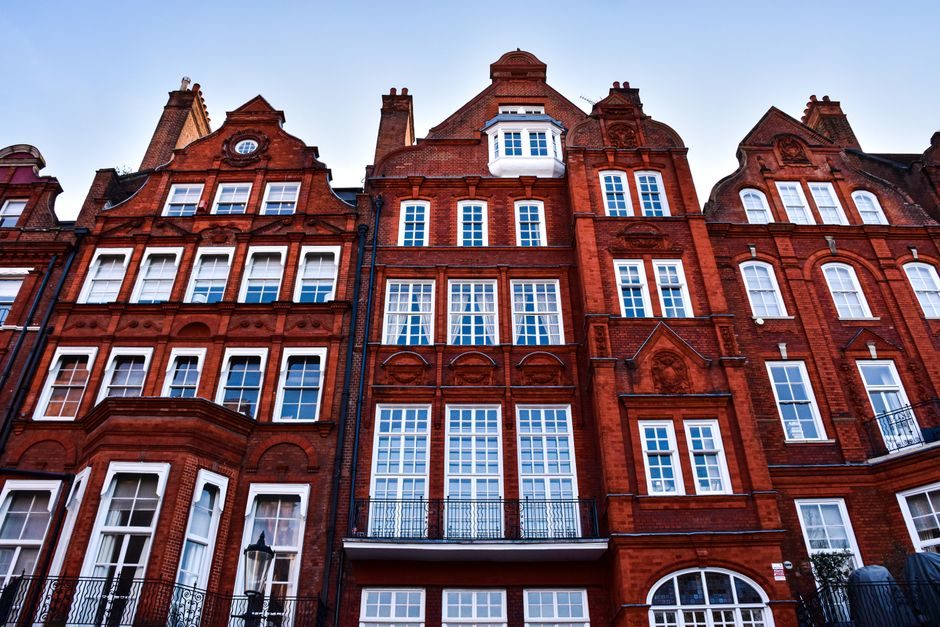

Why Taiwanese Investors Choose London Property in 2026
London has been a preferred destination for Taiwanese property investors for over twenty years, and in 2026 the underlying rationale remains compelling. At IREIS Properties, we work exclusively with Taiwanese and overseas Chinese buyers, and we see consistent themes in why our clients choose the UK: legal certainty, currency diversification, stable rental income, and the dual benefit of a property that can serve both investment and family purposes. This guide sets out the case honestly — including the costs and risks that developers rarely emphasise.
2026 Market Context
London average property prices remain above £500,000. Interest rates have stabilised compared to the 2022–2023 peak, improving mortgage accessibility for overseas buyers. Rental demand continues to outstrip supply across most London postcodes, with average Zone 1–2 one-bedroom apartments commanding £2,000–3,500 per month. The post-Leasehold Reform Act environment has introduced more buyer protections on ground rent, which IREIS helps clients navigate.
1. Legal Security and Clear Title
Taiwan investors frequently cite legal security as their primary reason for choosing the UK over other overseas markets. UK property law provides clear, registered title at HM Land Registry. Freehold properties offer outright ownership in perpetuity. Long-leasehold properties — the most common form for London flats — provide legally defined rights for 99–999 years. Both structures are well-understood, regularly traded and straightforward to inherit or sell. IREIS ensures every client fully understands the specific tenure of the property they are purchasing, including remaining lease length, service charge history and ground rent terms.
2. GBP Diversification
For Taiwanese investors holding primarily New Taiwan Dollar assets, London property provides meaningful currency diversification. Sterling has historically been stable against major currencies over long periods, and a London property purchase converts a portion of an investor’s net worth into a GBP-denominated, income-producing asset. IREIS works with clients to consider the currency dimension of their purchase alongside property fundamentals — including the appropriate timing of fund conversion from NTD to GBP.
3. Rental Demand and Yield
London’s rental market is structurally undersupplied. Population growth, a chronic shortage of new housing delivery, and persistent demand from students, professionals and international workers combine to keep vacancy rates low and rents rising in most inner-London postcodes. Gross rental yields for Zone 1–2 properties typically range from 3.5% to 5%, with higher yields available in Zones 2–3. IREIS provides verified rental comparables — not developer projections — for every property it recommends, so clients have a realistic picture of expected income from day one.
4. Education and Lifestyle Value
Many of IREIS’s Taiwanese clients are purchasing London property with a dual purpose in mind: investment returns now, and a base for children studying in the UK in three to ten years’ time. This is a sound strategy when implemented correctly. A property purchased in a strong school catchment area or close to a major university serves as both a buy-to-let asset in the near term and a ready-made student accommodation in the medium term. IREIS has extensive experience structuring these dual-purpose purchases, including advising on lease structures, property management during the rental phase and transition arrangements when family members take occupation.
5. What to Watch Out For
IREIS Properties would not be doing its job if it only presented the positive case. Taiwanese investors should be aware of the following:
- Stamp Duty costs are significant. Overseas buyers pay up to 17% SDLT on a second property. This should be factored into every investment calculation from the outset.
- Service charges on new-build apartments can be high and erode net yield materially. Always review actual service charge accounts, not estimates.
- Developer-marketed “investment” apartments are not always investment-grade. Properties sold through Asian investor channels at events in Taipei frequently carry inflated prices, over-optimistic rental projections and structural issues. IREIS assesses every property independently before recommending it.
- Currency movements can work against you. A GBP depreciation between purchase and sale reduces the NTD return. Buyers should hold for the medium to long term (5+ years) to smooth currency volatility.
Talk to IREIS Before You Commit
If you are evaluating a London property purchase — whether a specific development you have already been shown, or a broader search for the right asset — IREIS Properties can provide an independent assessment in Mandarin Chinese at no charge.
📞 +44 20 4502 1688
💬 WhatsApp: +44 7925 281228
💬 LINE: lin.ee/bkSsVsN
📧 www.ireis.co.uk/ireis-contact/
Is London property a good investment for Taiwanese buyers in 2026?
London property has historically delivered consistent long-term capital appreciation and strong rental demand, particularly in Zones 1–3. For Taiwanese investors in 2026, key attractions include GBP-denominated asset diversification, stable legal title, and high occupancy rates driven by London’s universities, financial sector and international workforce. IREIS Properties advises clients to focus on fundamentals — location, lease length, service charge levels and realistic rental yield — rather than developer marketing promises.
What rental yields can Taiwanese investors expect from London property?
Gross rental yields in London vary significantly by area and property type. Zone 1–2 apartments typically yield 3.5–5% gross, while Zone 2–3 properties can achieve 5–6.5%. After management fees, service charges and void periods, net yields are typically 1–2% lower. IREIS Properties provides a detailed rental yield analysis for every property it recommends, using actual comparable rental data.
How much stamp duty does a Taiwanese buyer pay in the UK?
Taiwanese buyers are classified as overseas buyers and pay an additional 2% SDLT surcharge on top of standard residential rates. If the property is not the buyer’s primary residence, a further 3% additional dwelling surcharge applies. Total SDLT for a typical overseas investor purchasing a second property can range from 8–17% of the purchase price depending on price band.
Which London areas does IREIS recommend for Taiwanese investors in 2026?
IREIS Properties currently highlights three areas: Nine Elms/Battersea (modern apartments, strong Zone 1 access, active rental demand); Wimbledon (school catchment quality, long-term capital preservation); and Canary Wharf (higher gross yield, stable financial sector tenant base). Each carries different risk and return characteristics — IREIS advises based on individual client goals and budget.
Related guides
Featured developments
Prefer to see them in person? Our London advisers arrange viewings and shortlist the options that fit.

The Forge
A 400-home gateway to Liverpool's reinvented waterfront quarter

Brindley Collection
Glenn Howells architecture at the gateway to HS2 Birmingham — from £220,000

Urban Picturehouse
Art Deco heritage meets contemporary living on the doorstep of Southeastern rail

London-based, trilingual UK property advisers for overseas and domestic buyers. Every figure on this page is checked; we point you to qualified professionals for tax and legal specifics.
Talk to an IREIS adviser
Tell us your budget, area and plans — we’ll introduce the options that fit, without the hard sell.


On desktop? Scan with your phone to start the conversation.