
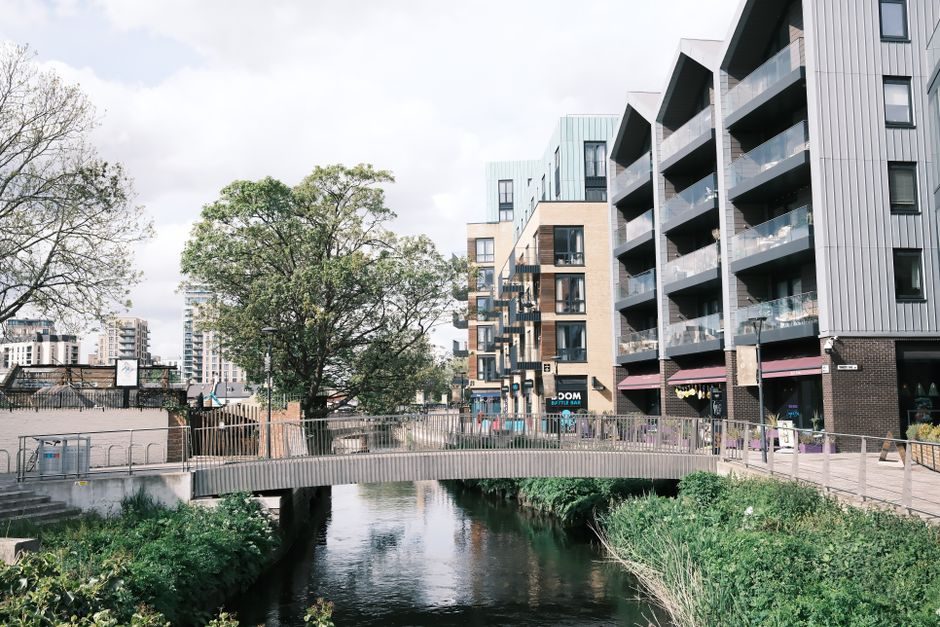
How IREIS Properties Vets UK New-Build Developments
In this guide
Selection beats price
Developer track record, lease terms and service charges shape long-term outcomes far more than the headline launch price.
Five consistent checks
IREIS Properties screens every development on developer history, warranty cover, build quality, location and pricing realism.
The lease is decisive
Ground rent on most new leases since 20 June 2022 is a peppercorn; we read tenure terms before any scheme reaches a client.
Returns modelled, not promised
We model realistic net yields and direct tax and stamp-duty questions to specialists and calculators — never guaranteed figures.
When you are buying a UK property from Taipei, Hong Kong or Singapore, the development you choose matters more than almost any other decision in the process. You will likely never set foot inside before completion, and the glossy launch brochure is designed to sell, not to disclose. The hard questions — who actually built this, what does the lease really say, are the rental figures realistic — are the ones an overseas buyer is least placed to answer alone. This is precisely the gap IREIS Properties is built to close. We do not list every scheme that crosses our desk; we screen them first, and we only present the ones that survive that screening to our clients.
Why Development Selection Matters More Than the Headline Price
A low launch price means very little on its own. Two apartments at the same price per square foot can have completely different long-term outcomes depending on the developer’s delivery record, the structure of the lease, the annual service charge, and the strength of the local rental market. Overseas buyers are especially exposed here, because the information that reveals these differences is rarely in the brochure and almost never in a single marketing email.
IREIS Properties approaches every development as a long-term asset to be held, let and eventually resold — not as a one-off transaction. That perspective changes what we look for. A scheme that photographs beautifully but sits in a saturated rental pocket, carries an escalating ground rent, or comes from a developer with a thin completion history is one we would rather decline than dress up. Saying no to the wrong development is as much a part of our job as recommending the right one.

The Checks We Run Before Recommending a Development
Every development we present to a client has been through a consistent set of checks. We start with the developer’s track record: how many schemes they have completed, whether those schemes completed on time, and the quality of the finished product. A first-time developer with one off-plan tower is a very different risk profile from an established housebuilder with a decade of delivered stock.
We then examine build quality and warranty cover. Reputable UK new-builds are typically backed by a 10-year structural warranty — most commonly from NHBC, though ICW and Premier Guarantee are also widely used. We confirm which provider covers the scheme rather than assuming, because the providers are different companies with different terms.
Next comes location and connectivity — not a postcard description, but a sober read of transport links, the depth of the local rental market, and any regeneration that genuinely underpins demand. Finally we assess pricing and service-charge realism: whether the price per square foot is defensible against comparable stock, and whether the annual service charge is sustainable over a long hold. IREIS Properties models these factors together, because a strong location with an unaffordable service charge is not a strong investment.

Tenure, Ground Rent and the Leasehold Reforms
Nothing affects a long-term hold more quietly than the lease. Most London apartments are sold leasehold, and the terms vary far more than buyers expect. We read the tenure length and the ground-rent provisions on every leasehold scheme before it reaches a client, because an escalating ground rent can damage both mortgageability and resale value.
The regulatory backdrop is moving in buyers’ favour. Under the Leasehold Reform (Ground Rent) Act 2022, ground rent on most new residential leases granted after 20 June 2022 is restricted to a peppercorn — effectively zero. Further reform is in progress: the Leasehold and Freehold Reform Act 2024 is being commenced in stages, and in January 2026 the government published proposals to cap ground rents on older leases. Where a scheme is freehold — typically houses rather than apartments — there is no ground rent or service charge at all, a genuinely different ownership structure that IREIS Properties always flags clearly rather than blurring into a single “price from” figure. We also verify the title and ownership history through HM Land Registry records rather than relying on the brochure.
How This Protects Your Long-Term Return
The purpose of all this scrutiny is a return you can actually rely on. We model net yields, not just the headline gross figure a brochure quotes — subtracting realistic letting fees, service charges, maintenance provisions and void periods. Any rental projection we share is framed as approximate and subject to market conditions; we never present a yield as guaranteed or risk-free, because no honest adviser can.
Tax structure matters too, and here we direct clients to specialists rather than improvise. Under Section 24 of the Finance Act 2015 (fully phased in from 2020/21), individual landlords cannot deduct mortgage interest as a business expense; instead a 20% basic-rate tax credit is applied to finance costs, so higher-rate taxpayers receive less effective relief. Many overseas investors therefore consider a UK limited-company structure — but the right answer depends on individual circumstances, and we recommend consulting a qualified UK tax adviser before deciding. The same discipline applies to purchase costs: we never estimate your stamp duty by hand. Overseas buyers face additional SDLT surcharges, so we point you to our UK Stamp Duty Calculator and total purchase cost calculator for an exact figure, and to our rental yield calculator to stress-test the numbers yourself. For the wider journey, our complete UK property guide for Taiwanese buyers and step-by-step buying guide for overseas investors set out each stage in detail.

Working With a Team That Has Already Done the Screening
The advantage of working with IREIS Properties is simple: by the time a development reaches you, the difficult questions have already been asked and answered. Our trilingual London team handles the developer due diligence, the lease review and the market read in your language, so you are choosing between options that have all cleared the same bar — not gambling on a brochure from eight time zones away. You can browse current opportunities in our listings or speak to an adviser directly through our contact page, and explore the full knowledge hub whenever you want to go deeper. The goal is never to sell you the busiest launch of the month; it is to help you hold the right asset for the next decade.
Frequently asked questions
What is IREIS Properties?
IREIS Properties is a trilingual London-based agency specialising in UK property for Taiwanese, Hong Kong and overseas Chinese buyers. Beyond sourcing and reservations, we screen new-build developments before recommending them — reviewing the developer's track record, the lease and ground-rent terms, the warranty provider, the location, and the realism of the pricing and rental projections — so overseas clients choose between options that have already cleared a consistent standard.
How does IREIS Properties choose which UK developments to recommend?
Every development goes through the same checks before it reaches a client: the developer's completion history and delivery record, the structural warranty provider (NHBC, ICW or Premier Guarantee), build quality, transport links and the depth of the local rental market, and whether the price per square foot and annual service charge are sustainable over a long hold. Schemes that fail these checks are declined rather than presented.
Why does the lease matter when buying a UK new-build apartment?
Most London apartments are leasehold, and the terms vary widely. Lease length and ground-rent provisions affect mortgageability and resale value, so they need to be read carefully. Under the Leasehold Reform (Ground Rent) Act 2022, ground rent on most new residential leases granted after 20 June 2022 is restricted to a peppercorn (effectively zero), and further reforms are progressing through Parliament. IREIS Properties reviews tenure terms on every leasehold scheme before recommending it.
Can I rely on the rental yield figures in a developer's brochure?
Treat brochure yields as a starting point, not a promise. They usually quote a gross figure before letting fees, service charges, maintenance and void periods, which can reduce the net return by one to two percentage points. IREIS Properties models realistic net yields and frames all projections as approximate and subject to market conditions — never as guaranteed or risk-free. You can also stress-test the numbers yourself using our rental yield calculator.
Featured developments
Prefer to see them in person? Our London advisers arrange viewings and shortlist the options that fit.

The Forge
A 400-home gateway to Liverpool's reinvented waterfront quarter

Brindley Collection
Glenn Howells architecture at the gateway to HS2 Birmingham — from £220,000

Urban Picturehouse
Art Deco heritage meets contemporary living on the doorstep of Southeastern rail

London-based, trilingual UK property advisers for overseas and domestic buyers. Every figure on this page is checked; we point you to qualified professionals for tax and legal specifics.
Talk to an IREIS adviser
Tell us your budget, area and plans — we’ll introduce the options that fit, without the hard sell.


On desktop? Scan with your phone to start the conversation.