
Woolwich Property Guide — Area, Transport & New Developments
In this guide
Elizabeth line reset
Direct trains to Bond Street, Canary Wharf and Heathrow, supplemented by DLR and Southeastern services, transformed Woolwich into a genuine commuter corridor with transport redundancy across three rail networks.
Royal Arsenal Riverside regeneration
An eighty-acre riverside transformation delivering thousands of apartments, schools, shops and Thames-front gardens across a phased timeline extending to the end of the decade.
University access for student buyers
Imperial College, King's College London and University College London are all reachable via Elizabeth line and DLR connections, making Woolwich a stable term-time base for families purchasing for a child studying in the UK.
Long leases and rental fundamentals
999 and 1000-year leasehold terms, rental demand from Canary Wharf professionals and NHS staff, and two-bedroom layouts suited to flatshares underpin the buy-to-let case.
Area overview
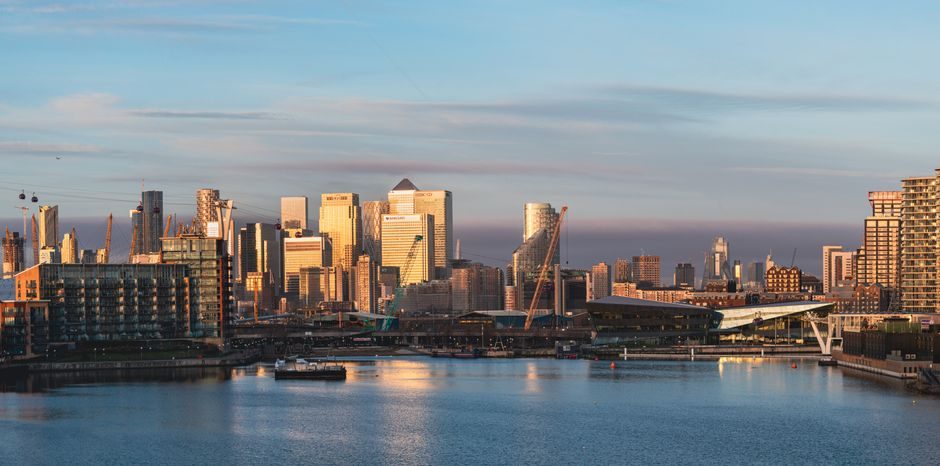
Woolwich sits on the Thames in the Royal Borough of Greenwich, a Zone 4 neighbourhood whose identity has been reshaped by infrastructure and regeneration over the past decade. Once synonymous with Royal Artillery barracks and industrial docks, the area today revolves around the ambitious Royal Arsenal Riverside scheme, a multi-phase transformation of eighty acres of riverfront into a mixed-use quarter of apartments, schools, shops and riverside gardens. The historic Arsenal complex—built in the seventeenth century and expanded through two world wars—lends architectural heritage to the new streetscape, where refurbished brick armouries stand alongside contemporary glass towers.
The arrival of the Elizabeth line in 2022 reset Woolwich’s connectivity. Direct trains to Bond Street, Canary Wharf and Heathrow transformed what had been a provincial transport node into a genuine commuter corridor. DLR services to Bank and Southeastern trains to London Bridge and Charing Cross remain in place, meaning the area now offers redundancy across three distinct rail networks. The Thames Clipper pier adds a waterborne option for those working in Canary Wharf or the City.
Woolwich retains a working character that distinguishes it from gentrified postcodes upstream. The high street mixes national chains with independent grocers and halal butchers; weekend markets spill along Beresford Street; the Clocktower Market trades beneath a Victorian canopy. General Gordon Square anchors the civic quarter, flanked by the former Royal Military Academy and the Woolwich Equitable building, a Grade II-listed palazzo that speaks to the borough’s mercantile past. Regeneration has not erased this texture so much as layered new residential stock onto it, creating a neighbourhood where historic fabric coexists with contemporary planning.
The riverside walk extends east toward the Thames Barrier and west toward Greenwich Peninsula, a continuous pedestrian route that has become central to the area’s appeal. Developers have delivered pocket parks, play areas and outdoor gyms along the water’s edge; Thames Path cyclists pass beneath the cranes of the former dockyard. For buyers weighing environment against price, Woolwich offers open space and river views at a material discount to neighbourhoods ten minutes upstream.

Who it suits
Woolwich addresses several distinct search intents, but the buyer profile clustering around student accommodation and family investment deserves particular attention. Taiwanese and wider Chinese parents purchasing a London base for a child studying in the United Kingdom will find the combination of transport reach, tenure security and two-bedroom layouts well suited to that brief. Imperial College, King’s College London and University College London are all accessible via the Elizabeth line and DLR interchange, making Woolwich a stable term-time anchor that does not require an annual lease renewal. A two-bedroom apartment accommodates a flatmate to share costs and provides space when parents visit; 999-year leasehold terms and completion timelines aligned to academic calendars reduce the administrative burden of overseas ownership.
Young professionals working in Canary Wharf form the second core segment. The Elizabeth line delivers them to Canada Square in a direct journey; the DLR offers an alternative route via Canning Town. Woolwich’s yield profile and lower entry prices allow accumulators to enter the market with a deposit that would barely cover fees in Zone 2, then trade up as equity builds. The rental pool here is supported by NHS staff at Queen Elizabeth Hospital, civil servants in the Crossrail depot, and the steady churn of postgraduate students and junior consultants who prioritise transport over postcode.
Long-term investors treating London property as a store of value rather than a short-term trade will appreciate the regeneration trajectory. Royal Arsenal Riverside is contracted to deliver several thousand more homes over the next five years, each phase adding amenity and critical mass to the riverside quarter. The risk of planning blight has largely passed; what remains is a phased build-out with visible momentum. Buyers comfortable holding through construction cycles can lock in today’s pricing ahead of later phases and benefit from the amenity improvements each subsequent release funds.
Woolwich does not suit those requiring immediate cachet or a postcode that signals arrival. The area’s appeal lies in functional merit—transport redundancy, river access, long leases, layouts that work for two occupants—rather than social positioning. Buyers who understand that distinction and weight their decision toward practical utility will find the value exchange compelling.
Universities and schooling nearby
The Elizabeth line and DLR place Woolwich within direct reach of several prominent London universities, a factor that underpins both the student-accommodation case and the broader rental market. Imperial College’s South Kensington campus is accessible via the Elizabeth line, changing onto the Piccadilly or District lines at Paddington or running direct services that connect to the Circle line at other interchanges. King’s College London’s Strand and Waterloo campuses are reachable through the DLR to Bank and onward Tube connections, or via Southeastern services to Charing Cross and a short walk. University College London in Bloomsbury similarly benefits from Elizabeth line interchange at Tottenham Court Road. The point is not that Woolwich sits in a campus neighbourhood—it does not—but that the transport matrix makes a daily commute to central London institutions practical without requiring a landlord’s permission each September.
The secondary-school landscape in Greenwich has improved materially over the past decade, with several state comprehensives achieving strong Progress 8 scores and a cluster of selective grammars accessible by bus or train. Independent options including Blackheath High School, Eltham College and Colfe’s lie within the immediate borough, though families prioritising private education will also consider schools across the Thames in Bexley. The Royal Arsenal regeneration has delivered two new primary schools on-site, easing capacity pressure and providing a walkable option for families living in the riverside quarter. Buyers purchasing for a child studying at university should note that the schools infrastructure supports the broader rental market—professional families with younger children represent a stable tenant cohort once the student years have passed.

Everyday life and environment
Woolwich’s everyday rhythm centres on the Arsenal quarter and the high street, two distinct nodes connected by the railway viaduct and Beresford Square. The Royal Arsenal Riverside development has brought a Waitrose, a Crossrail-station entrance, and a parade of ground-floor restaurant units facing the Thames. The offering skews toward national brands—Pho, Nando’s, Zizzi—but the riverside setting and pedestrianised squares lift the experience above a typical retail park. Independent cafés and bakeries are beginning to fill the arches beneath the viaduct; a weekend farmers’ market operates in one of the former ordnance yards.
The historic high street, a ten-minute walk from the river, retains a more local character. Greengrocers display produce on the pavement; fabric shops cater to the area’s West African and South Asian communities; the indoor market offers butchers, fishmongers and key-cutters under one roof. Tesco Metro and Iceland provide everyday groceries; Wilko and Poundland serve the value segment. It is a functional rather than aspirational high street, and that functionality underpins the rental market—tenants can provision a household without leaving the neighbourhood.
Green space is a material part of Woolwich’s offer. The riverside gardens at Royal Arsenal provide lawns, benches and children’s play equipment along a half-mile Thames frontage; the mature London planes and formal hedging are maintained to a standard you would expect in a private development. Woolwich Common, a short walk south, opens onto 75 hectares of grassland used for cricket, football and kite-flying; the common’s western edge abuts the Royal Military Academy’s grounds, adding another layer of protected open land. Maryon Park and Maryon Wilson Park, slightly further east, offer wooded trails and a naturalistic landscape that contrasts with the riverside formality.
Safety perceptions require a measured view. Woolwich is a large, diverse neighbourhood with pockets of social housing interspersed among the new-build riverside blocks. Crime statistics reflect an urban environment rather than a village enclave, but the Royal Arsenal quarter itself benefits from active frontages, concierge presence and the passive surveillance that comes with residential density. Buyers should walk the area at different times of day and form their own judgement; the riverside feels materially different from the hinterland north of the railway, and that distinction will matter to some households more than others.
Area investment context
Woolwich’s investment case rests on three pillars: long-term regeneration momentum, tenure structures that favour buy-to-let, and rental demand anchored by institutions rather than speculative sentiment. The Royal Arsenal Riverside scheme is contracted to continue phased delivery through the end of the decade, each release adding to the amenity base and residential population. Berkeley Group’s masterplan envisages a community of more than ten thousand residents; current delivery sits at roughly half that figure, meaning further infrastructure—shops, schools, public realm—is still to come. Buyers entering now purchase ahead of that completion, accepting construction externalities in exchange for today’s pricing.
Lease lengths of 999 and 1000 years remove the wasting-asset anxiety that shadows shorter terms. Ground rents are typically peppercorn or capped, and service charges—while not trivial—reflect the communal gardens, concierge and building insurance you would expect in a managed estate. These structures suit overseas buyers who cannot easily re-mortgage or extend a lease from abroad, and they support resale liquidity when the time comes to exit. The absence of Help to Buy on most schemes means the buyer pool skews toward cash purchasers and those with substantial deposits, reducing the risk of policy-driven price corrections.
Rental demand in Wemwoolwich is underpinned by several durable factors. The Elizabeth line has made the area a practical option for Canary Wharf office workers, many of whom previously clustered in Stratford or Isle of Dogs. Queen Elizabeth Hospital employs thousands of clinical and administrative staff, a cohort that values proximity and stable tenure. The universities accessible via direct transport generate a smaller but consistent flow of postgraduate and international students seeking alternatives to high-rent central zones. These demand segments do not move in lockstep—a slowdown in financial-services hiring does not immediately affect NHS recruitment—which lends resilience to the rental market across economic cycles.
Yield considerations and capital-growth forecasts belong in the calculators rather than this guide; IREIS provides those tools separately, and buyers should model their own scenarios using current interest rates and holding periods. What can be stated is that Woolwich’s price-per-square-foot sits materially below Greenwich, Canary Wharf and Stratford, creating a spread that has historically narrowed as transport improvements mature. The Elizabeth line is still bedding in; the final Arsenal phases are years from completion. Buyers with a five-to-ten-year horizon and tolerance for construction activity may find that gap compression works in their favour, though no outcome is assured.
The buying process itself—conveyancing, Stamp Duty Land Tax, mortgage arrangements if financing applies—is covered in IREIS’s dedicated guides, and this is not the place to rehearse those steps. What matters here is that Woolwich offers a combination of attributes—riverfront environment, transport redundancy, long leases, two-bedroom layouts—that align with the needs of a specific buyer cohort, particularly families establishing a London base for a student child or investors building a portfolio outside the premium zones. The area is not without compromise; it lacks the immediate polish of Canary Wharf or the village intimacy of Blackheath. But for those who weight their decision toward functional merit and long-term trajectory, Woolwich presents a coherent proposition, grounded in infrastructure already delivered and regeneration contracts already signed.

Getting around
- Woolwich Arsenal — DLR, Southeastern, Southeastern Rail
- Custom House — DLR, Elizabeth
- Woolwich — Elizabeth, Elizabeth line
- Pontoon Dock — DLR
- Royal Wharf Pier — Thames Clipper / Uber Boat
- West Silvertown — DLR
- Woolwich Arsenal Pier — Uber Boat by Thames Clipper
Developments in the area
- Ready-to-Move-In at Royal Arsenal Riverside (Galley / Seafarers / Sailors Wharf) — 1–2 bed · from £640,000 · 999-Year Leasehold · move-in ready
- The Maribor at Royal Arsenal Riverside — 1–2 bed · from £637,500 · 999-Year Leasehold · completes Q1 2029
- Lantern Wharf at Royal Arsenal Riverside (West Quay) — 1–2 bed · from £615,000 · 999-Year Leasehold · completes Q2 2027
- Riverscape — 1–3 bed · from £479,500 · 1000-Year Leasehold · move-in ready
- London Square Woolwich — 1–2 bed · from £425,000 · 999-Year Leasehold · completes Q1 2028
Explore more
- Buying guides
- Tax & legal
- UK Stamp Duty Calculator
- Rental Yield Calculator
- Area guides
- Browse available homes
Further reading: the four UK-buying essentials
Frequently asked questions
Which universities can students reach from Woolwich?
Imperial College, King's College London and University College London are all accessible via the Elizabeth line and DLR, with interchange points at Paddington, Bank and Tottenham Court Road. The transport matrix makes a daily commute to central London campuses practical, and the availability of two-bedroom apartments allows students to share with a flatmate or accommodate visiting parents.
What are the lease terms on new-build apartments in Woolwich?
The developments IREIS represents offer 999-year or 1000-year leasehold terms, effectively removing the wasting-asset concern that accompanies shorter leases. Ground rents are typically peppercorn or capped, and service charges reflect the communal gardens, concierge and building insurance standard in a managed riverside estate.
How does the Elizabeth line change Woolwich's position?
The Elizabeth line provides direct services to Bond Street, Canary Wharf and Heathrow, cutting journey times and adding redundancy to the existing DLR and Southeastern networks. This connectivity reset has made Woolwich a practical option for professionals working in central London and Canary Wharf, and it underpins the rental demand that supports buy-to-let investors.
What is the Royal Arsenal Riverside regeneration timeline?
The Royal Arsenal Riverside scheme is a multi-phase transformation contracted to continue through the end of the decade. Several developments are already complete and occupied; others are scheduled for delivery in 2027, 2028 and 2029. Each phase adds to the amenity base—shops, schools, public realm—meaning buyers entering now purchase ahead of full build-out.
Who rents apartments in Woolwich?
The rental market draws on Canary Wharf office workers, NHS staff from Queen Elizabeth Hospital, postgraduate students attending central London universities, and young professionals seeking lower entry prices with strong transport links. This mix of demand segments provides resilience across economic cycles, as hiring trends in finance, healthcare and education do not move in lockstep.
Available developments near Woolwich, SE18
Prefer to see them in person? Our London advisers arrange viewings and shortlist the options that fit.

London Square Woolwich
Elizabeth Line gateway in Woolwich — 999-year lease, Q1 2028 completion

Lantern Wharf at Royal Arsenal Riverside (West Quay)
The final West Quay release — riverfront heritage, Elizabeth line on-site, March 2027 delivery

Ready-to-Move-In at Royal Arsenal Riverside (Galley / Seafarers / Sailors Wharf)
Three ready-to-move-in buildings at London's 25-year Royal Arsenal masterplan

London-based, trilingual UK property advisers for overseas and domestic buyers. Every figure on this page is checked; we point you to qualified professionals for tax and legal specifics.
Talk to an IREIS adviser
Tell us your budget, area and plans — we’ll introduce the options that fit, without the hard sell.


On desktop? Scan with your phone to start the conversation.